

How to Choose the Right Dental Equipment Supplier for Your Clinic

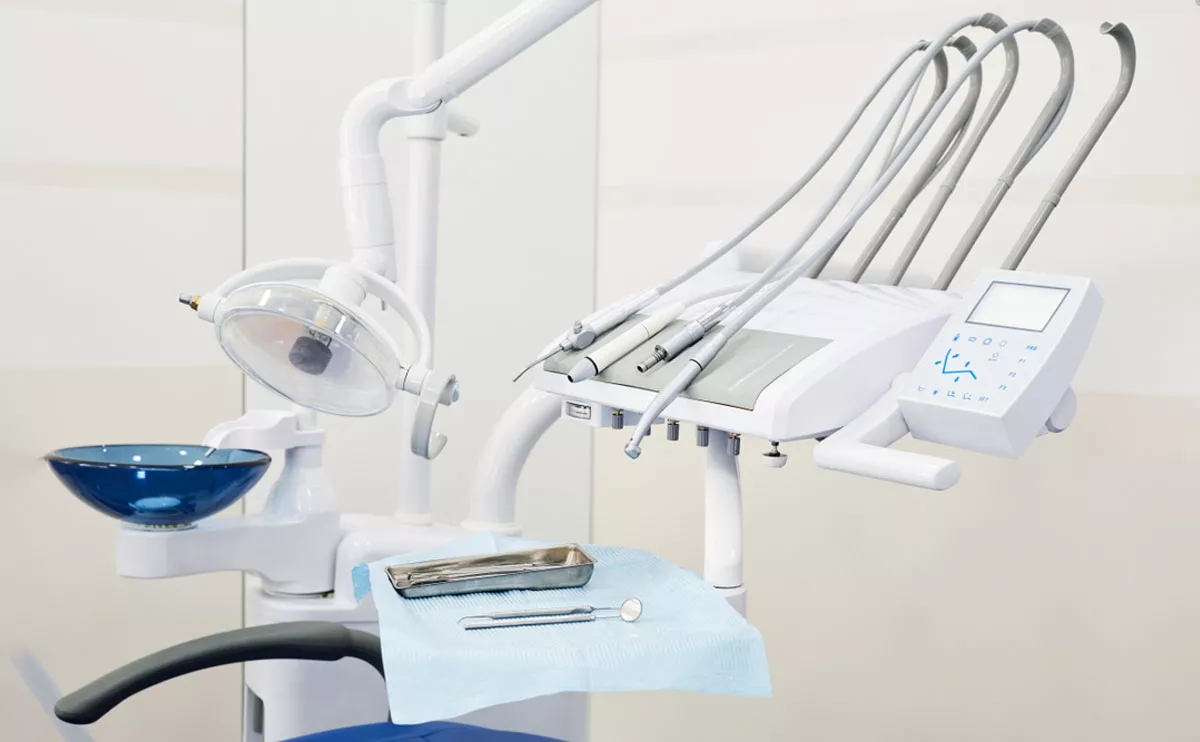
Selecting a reliable dental equipment supplier is one of the most strategic decisions a dental practice can make. Whether you’re launching a new clinic or upgrading your existing tools, the supplier you choose directly impacts the quality of your services, your budget, and ultimately your patients’ satisfaction. With a growing number of suppliers on the market, both local and international, it’s essential to approach this choice with careful research and a clear understanding of your clinic’s needs.
The first and most critical factor in choosing a supplier is product quality. Dental equipment must meet stringent hygiene, safety, and performance standards. Subpar tools can lead to inaccurate diagnoses, uncomfortable procedures, and even health risks. Therefore, ensure the supplier offers products that are certified by international quality standards like ISO, CE, or FDA. Reputable suppliers often have established relationships with leading manufacturers and brands in the dental industry.
Beyond quality, product variety is key. A good supplier should provide a wide range of tools and equipment, from basic hand instruments to advanced digital imaging systems, autoclaves, and treatment units. Clinics benefit more when they can source most or all of their equipment from a single trusted supplier, as this simplifies procurement, delivery, and after-sales support.
Customer support is another crucial element to evaluate. Dental equipment isn’t a one-time purchase — it requires ongoing maintenance, servicing, and sometimes repairs or replacements. Look for a supplier that offers responsive technical support, extended warranties, and clear return or exchange policies. A supplier who offers on-site installation, staff training, or annual servicing agreements demonstrates long-term commitment and reliability.
Pricing is, of course, a significant consideration, but it should never be the sole factor. Extremely low prices often mean compromises in quality or service. Instead of simply going with the cheapest offer, aim for the best value for your investment. Ask suppliers for a detailed price list, including bulk discounts, special offers, and service packages. Consider the total cost of ownership, which includes installation, maintenance, and potential downtimes.
Reputation also matters. Online reviews, peer recommendations, and industry certifications can all offer insights into a supplier’s reliability. Ask colleagues or check dental forums and associations to learn which suppliers are preferred in your region. You can even request testimonials or references from other clinics that work with the supplier you’re considering.
Logistics and delivery timelines can impact your clinic’s workflow significantly. If you’re setting up a new practice or replacing key equipment, delayed shipments could interrupt your operations. A good supplier should provide clear delivery schedules, tracking systems, and fast, efficient shipping options. Local suppliers might offer quicker turnaround, while international ones may offer more competitive prices but longer lead times.
Another important consideration is whether the supplier offers sustainable and eco-friendly solutions. Many modern clinics are adopting green practices, from energy-efficient equipment to recyclable materials. Choosing a supplier who shares your values on sustainability can enhance your clinic’s branding and appeal to eco-conscious patients.
Lastly, consider whether the supplier keeps up with technological advancements. The dental industry is rapidly evolving with tools like 3D printers, intraoral scanners, and AI-based diagnostics. A forward-thinking supplier will regularly update their inventory, offer product training, and advise clinics on how to integrate new technologies into their workflow effectively.
To summarize, the ideal dental equipment supplier offers quality, variety, value, and long-term support. By taking the time to research, compare, and communicate with potential suppliers, dental professionals can build a partnership that supports their clinical goals, boosts operational efficiency, and ultimately delivers superior care to patients.