

Preventive Maintenance Tips for Dental Equipment Longevity

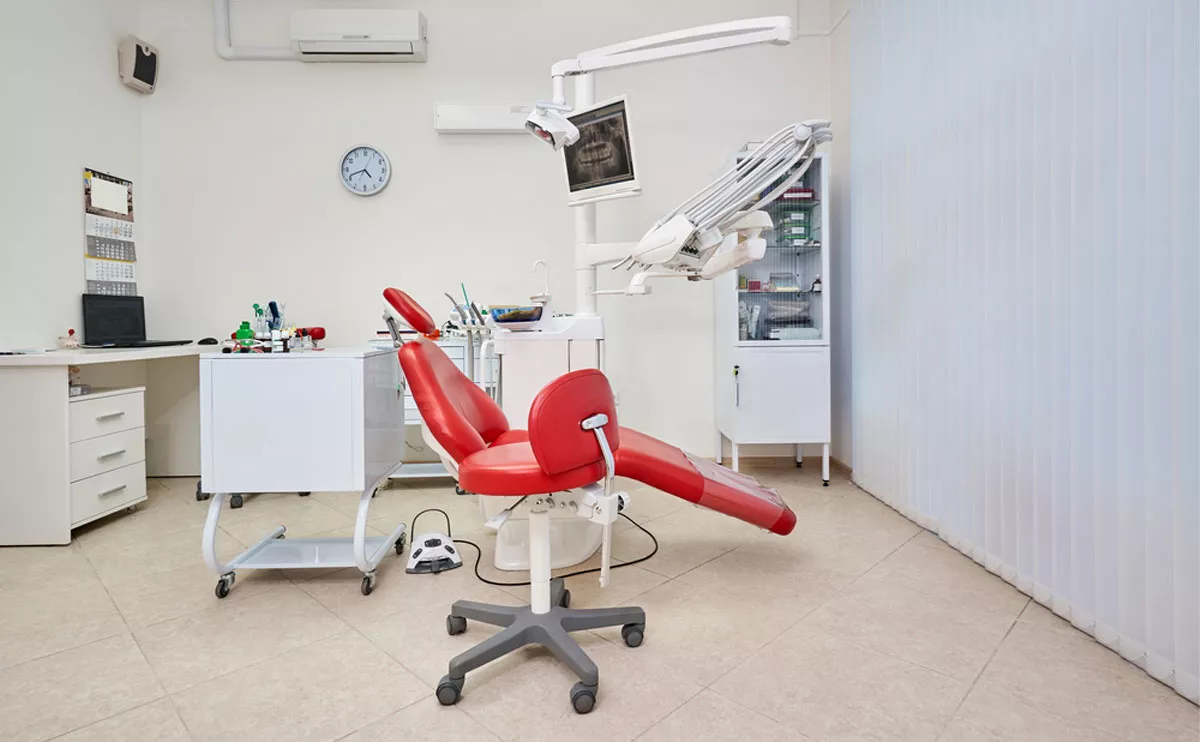
Dental equipment is a significant investment for any clinic, and maintaining it properly ensures both patient safety and the long-term success of your practice. Neglecting maintenance can lead to costly breakdowns, compromised hygiene standards, and treatment delays. That’s why every clinic should implement a preventive maintenance routine — not just to fix problems when they arise, but to prevent them altogether.
Preventive maintenance starts with daily care. Most dental tools are used multiple times a day, which means routine cleaning and inspection is essential. For instance, handpieces should be flushed, cleaned, lubricated, and sterilized after every patient. If not maintained properly, debris and moisture can accumulate, damaging the internal turbine or bearings and shortening the tool’s lifespan.
Dental chairs and delivery units also require attention. These systems consist of mechanical, electrical, and hydraulic components that must work together seamlessly. Wipe down surfaces daily with approved disinfectants, avoiding harsh chemicals that can corrode controls and upholstery. Periodically inspect hoses, valves, and tubing for signs of wear or leakage. Also, check water bottle systems and ensure that clean, filtered water is being used to avoid microbial contamination.
Imaging equipment, such as digital X-ray sensors and intraoral cameras, should be handled with care. Store them in padded cases, avoid exposure to moisture, and clean them with manufacturer-approved wipes. Because these devices often involve electronics and delicate lenses, even small mishandling can lead to expensive repairs or replacements.
Autoclaves are at the core of sterilization processes. To keep them in top condition, empty and clean the chamber regularly, check the door gasket for cracks, and follow the recommended service schedule. Weekly biological spore testing is also crucial to ensure the unit is functioning properly. Keeping a maintenance log for your autoclave helps you track performance and meet inspection requirements.
Air compressors and vacuum systems are often overlooked, yet they’re vital for chair operation and suction. These units require filter changes, tank drainage, and periodic inspections for leaks. Poor air quality or suction can disrupt procedures and frustrate both the dentist and the patient. Always follow the manufacturer’s instructions and consider annual servicing by a certified technician.
In addition to individual device care, clinic-wide protocols play an important role. Train your team on the correct handling and cleaning of all equipment. Label switches, include quick-reference guides near machines, and create a checklist for opening and closing duties. When maintenance is shared among the team and not left to one person, consistency improves.
Documentation is another pillar of preventive maintenance. Keep records of all maintenance activities, repairs, and service visits. This not only helps with troubleshooting but also proves compliance with health and safety regulations during audits or inspections.
Technology can also aid in maintenance. Some modern equipment includes built-in diagnostic alerts or maintenance reminders. Others can be monitored remotely by suppliers who offer smart servicing solutions. Clinics that use digital tools to track maintenance can anticipate failures and schedule replacements before issues occur.
To wrap up, preventive maintenance is not just a best practice — it’s a necessity. It extends the life of your equipment, ensures smooth operation, and contributes to a safe, efficient environment for both staff and patients. Investing a little time each day in equipment care saves significant costs, downtime, and headaches in the long run.